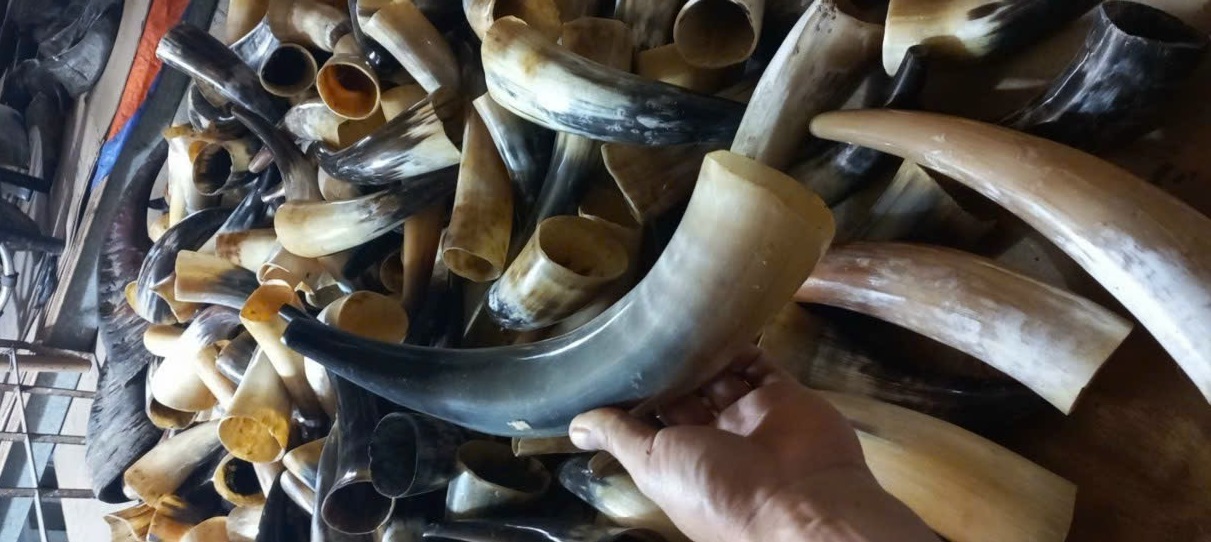
As global demand rises for sustainable, natural materials, real buffalo/cow horn has become a top choice for jewelry, eyewear, utensils, and craft components. However, many buyers still struggle to distinguish genuine buffalo/cow horn from plastic, resin, or low-quality imitations.
In this guide, you’ll learn simple methods to identify real horn, understand what it’s made of, and confidently source authentic horn products for your business or personal use.
What Is Real Buffalo/Cow Horn?
Buffalo horn comes primarily from the water buffalo, widely raised in countries like Vietnam. It is a natural by-product of the food industry, making it both eco-friendly and sustainable.
Unlike synthetic materials, natural buffalo horn offers:
- Unique organic patterns
- Lightweight yet durable structure
- Smooth polish with natural depth
- Warm, non-plastic feel
These qualities make it highly desirable for buffalo horn jewelry wholesale, horn blanks, and eco-friendly accessories.
What Is Buffalo/Cow Horn Made Of? (Material Composition)
Understanding the composition of horn helps explain its behavior and how to identify it.
Key Elements in Buffalo Horn
- Keratin (≈ 85–95%)
The primary protein also found in human hair and nails. Keratin gives horn its:- Flexibility
- Strength
- Smooth, polishable surface
- Water & Natural Lipids
Small amounts of moisture and fats help maintain elasticity and prevent brittleness. - Mineral Traces (Calcium, Sulfur Compounds)
These contribute to durability and subtle variations in color and density. - Layered Fibrous Structure
Horn grows in layers, creating natural grain patterns and slight translucency in thin sections.
👉 This composition is why real buffalo/cow horn can be carved, sanded, engraved, and polished, making it ideal for crafting and manufacturing applications.
How to Identify Real Buffalo/Cow Horn (5 Easy Methods)
These simple tests can help you quickly verify authentic buffalo/cow horn material:
1. Look at the Natural Pattern (Most Reliable Method)
Real buffalo horn always shows organic variation:
- Irregular streaks and grain
- Mixed tones (black, brown, honey, translucent areas)
- No two pieces are identical
❌ Fake materials often:
- Look too uniform
- Have repeated or printed patterns
- Appear overly perfect
2. Feel the Temperature
- Real horn feels warm and natural
- Plastic/resin feels cold and artificial
Horn adjusts quickly to your body temperature — a key indicator of natural material.
3. Check the Weight
Buffalo horn is:
Fake materials may feel:
- Too light (cheap plastic)
- Too heavy (resin or composite)
4. Smell Test (Gentle Heat or Friction)
When slightly warmed or rubbed:
- Real horn smells like burnt hair (due to keratin)
- Plastic smells chemical or synthetic
⚠️ Tip: Only apply gentle friction — no direct flame needed.
5. Examine the Surface & Edges
- Real horn has a smooth, hand-polished finish
- Slight imperfections and layering are normal
- Thin edges may show subtle translucency
Fake materials:
- Often look overly glossy or glass-like
- Lack depth and natural texture
Why Identifying Real Buffalo Horn Matters
For both consumers and B2B buyers, verifying authenticity is essential:
🌿 Sustainability & Ethics
Real buffalo horn is:
- A natural by-product
- Biodegradable
- Aligned with eco-conscious values
💎 Product Value & Uniqueness
Authentic horn offers:
- One-of-a-kind patterns
- Premium natural appeal
- Higher perceived value in retail
🛠️ Performance in Manufacturing
Real horn is:
- Easy to cut, carve, and polish
- Durable and long-lasting
- Ideal for jewelry, knife handles, eyewear, and inlays
Common Fake Alternatives to Avoid
When sourcing buffalo horn materials or products, watch out for:
- Plastic imitation horn
- Resin composites labeled as “natural horn”
- Dyed synthetic materials
💡 Always ask suppliers:
- Is this real buffalo horn or synthetic?
- What is the origin of the material?
- Is it handcrafted or machine-made?
Tips for B2B Buyers & Wholesale Sourcing
If you are sourcing buffalo horn wholesale, keep these tips in mind:
- Request samples before bulk orders
- Check pattern consistency across batches (natural but not fake-uniform)
- Confirm ethical sourcing and production practices
- Choose suppliers with experience in horn processing and export
Final Thoughts: Choose Authentic, Choose Sustainable
As the market shifts toward eco-friendly materials, knowing how to identify real buffalo/cow horn gives you a major advantage — whether you are a retailer, designer, or conscious buyer.
By checking:
- Natural patterns
- Material feel
- Weight and behavior
You can confidently select genuine buffalo/cow horn products that stand out for their beauty, quality, and sustainability.
Looking for Genuine Buffalo/Cow Horn Wholesale?
We specialize in:
- Buffalo/Cow horn jewelry wholesale
- Custom horn blanks & plates, and many other products
- Handcrafted horn accessories
📩 Contact: pxvinhii@gmail.com