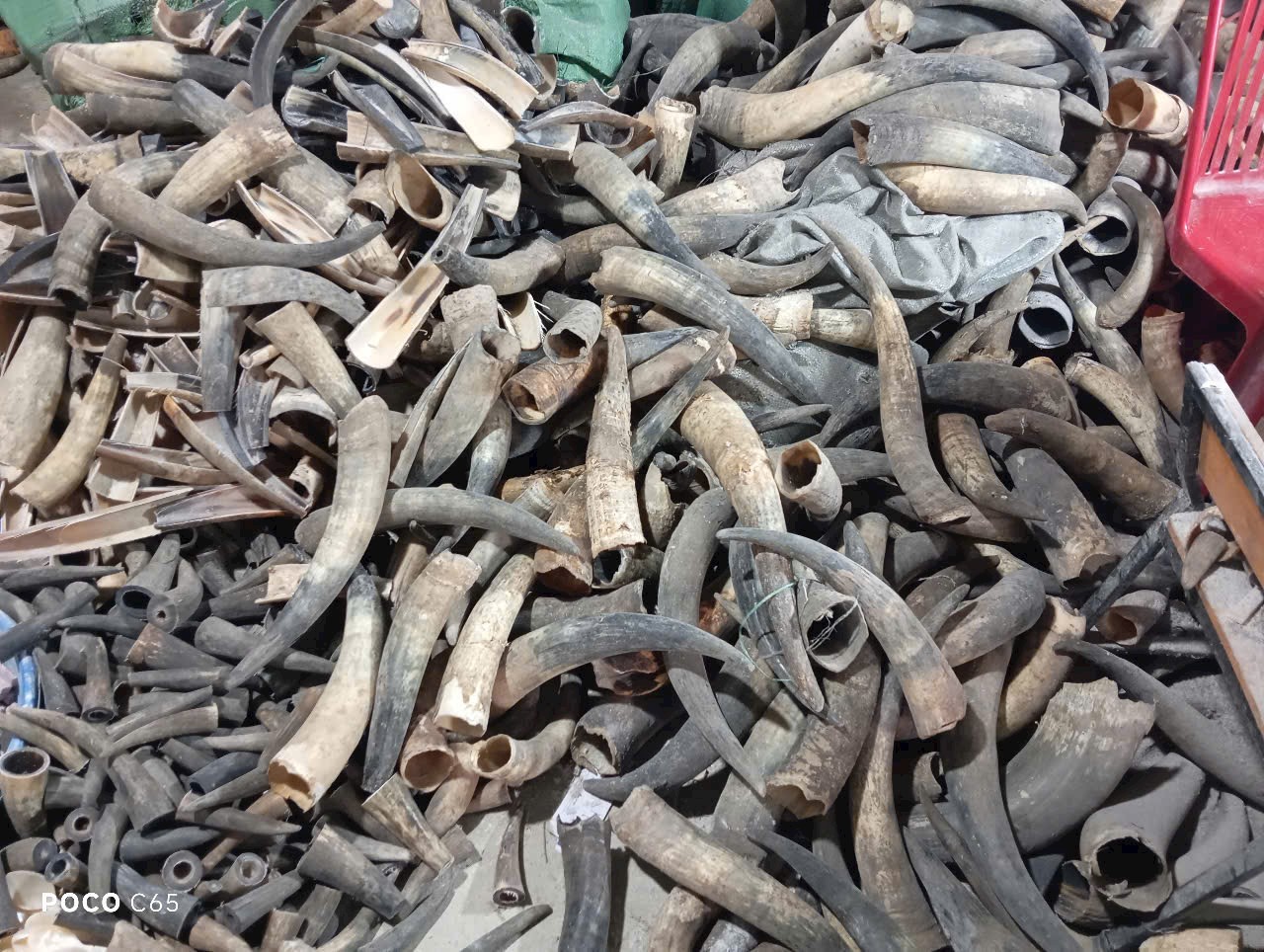
As demand for natural and sustainable materials continues to grow, many buyers, artisans, and designers are turning to buffalo horn, cow horn, antler for jewelry, crafts, and luxury products. However, these materials are often confused — despite having very different structures, origins, and ethical implications.
In this guide, we’ll clearly explain the difference between buffalo/cow horn, antler so you can make informed and responsible choices.
Buffalo horn and cow horn are among the most popular materials for eco-friendly jewelry, utensils, eyewear, and craft products.
Horn is made primarily of keratin, the same protein found in human hair and nails. This gives horn its:
Horn is a by-product of the food industry, meaning:
👉 Best for: Sustainable brands, handmade crafts, and ethical products.
Antlers come from animals like deer, elk, and moose — and are very different from horn.
Antlers are made of bone, not keratin. This makes them:
👉 Best for: Rustic designs and traditional carving projects
| Feature | Buffalo/Cow Horn | Antler |
| Material | Keratin | Bone |
| Structure | Hollow core | Solid |
| Texture | Smooth, glossy | Rough, matte |
| Transparency | Slightly translucent | Opaque |
| Sustainability | High (by-product) | Moderate (shed naturally) |
| Legal Status | Fully legal | Legal |
If you are looking for a material that is:
👉 Buffalo or cow horn is the best choice.
It offers the perfect balance between natural beauty, durability, and responsibility, making it ideal for modern brands and conscious consumers.
More and more businesses are choosing buffalo horn/cow horn to help protecting wildlife while still enjoying the beauty of natural materials.
We specialize in:
📩 Contact us today: pxvinhii@gmail.com